

In today’s highly automated industrial ecosystem, fluid management systems are becoming increasingly intelligent. Smart sensors equipped with advanced data collection and analytical capabilities are reshaping how liquids, gases, and other fluids are measured, controlled, and maintained across industrial environments. By combining digital intelligence with proven mechanical systems, these technologies deliver real-time insight and automated control that were not practical in the past. The result is higher efficiency, improved reliability, and stronger support for sustainability goals.
At Anderson Process, smart sensing is a core part of how modern fluid systems come together. Our process instrumentation solutions support accurate measurement and control across a wide range of applications, from industrial processing to sanitary operations.
Understanding the Role of Smart Sensors in Fluid Control

Smart sensors form the backbone of modern fluid management systems. Their ability to measure flow, temperature, pressure, viscosity, and chemical composition allows operators to maintain tight control over complex processes. These devices convert physical conditions into usable digital data, giving teams immediate visibility into system performance and allowing adjustments to be made in real time. That level of control helps reduce variability and maintain consistent product quality.
Beyond basic measurement, smart sensors are changing the architecture of fluid systems. Traditional fluid control relied on manual checks and periodic calibration, which introduced delays and increased the risk of error. Smart sensors enable continuous monitoring and automation, improving responsiveness while reducing dependence on manual intervention. This is especially valuable in systems that must adapt quickly to changing production demands or operating conditions.
Resource optimization is another major advantage. Precise measurement and automated feedback loops help minimize waste, energy use, and unnecessary downtime. Whether the application involves water treatment, chemical processing, or hygienic manufacturing, fine-tuning flow and pressure leads to lower operating costs and a smaller environmental footprint. When paired with integrated system design and controls, smart sensors become a strategic tool rather than just another component.
Real-Time Data Collection Driving System Efficiency
Real-time data is what makes smart sensors truly effective. Continuous monitoring allows systems to identify issues such as leaks, blockages, or abnormal flow conditions as they happen. Early detection reduces downtime, limits maintenance costs, and improves overall plant safety.
With continuous visibility into fluid behavior, operators can better understand how systems perform over time. Industrial facilities can detect restrictions before they escalate into failures, while municipal and utility operations can monitor distribution with greater accuracy. The data supports smarter tuning of flow rates, temperatures, and energy use, shifting operations from reactive troubleshooting to proactive optimization.
When integrated into broader control platforms, real-time sensor data can also trigger automated responses or alerts. Over time, performance trends emerge that highlight opportunities for improvement. Anderson Process supports this kind of system-level thinking through equipment integration and custom skid solutions, helping ensure instrumentation works as part of a cohesive fluid handling strategy.
Integrating Smart Analytics for Predictive Maintenance

Smart sensors generate valuable data, but analytics is where that data becomes actionable. Advanced analytics and machine learning tools can detect subtle performance changes long before equipment failure occurs. This enables predictive maintenance strategies that reduce unplanned downtime and extend equipment life.
Instead of relying on fixed maintenance schedules, operators can base decisions on actual system conditions. This data-driven approach improves safety, reduces unnecessary service work, and helps maintenance teams focus resources where they matter most. Over time, insights gained from analytics also inform better system design and equipment selection.
Shared dashboards and system visibility further improve collaboration across engineering, operations, and maintenance teams. With everyone working from the same real-time information, issues are resolved faster and continuous improvement becomes part of daily operations. When combined with Anderson Process application support and service expertise, predictive maintenance shifts from a cost burden to a competitive advantage.
Smart sensors are no longer optional in modern fluid management systems. By enabling real-time monitoring, intelligent analysis, and automated control, they deliver a new level of precision and reliability. From reducing energy waste to supporting predictive maintenance, their impact reaches far beyond efficiency gains. As industrial systems continue to evolve, smart sensors remain a critical building block for safer, more resilient, and more sustainable fluid processes.
What We Offer
Endress+Hauser Endress+Hauser is the backbone of smart sensing in fluid systems. Their portfolio covers flow, level, pressure, temperature, and analytical measurement, all designed to generate high-quality, continuous data from the process itself. Modern platforms like Proline flowmeters and Micropilot radar level sensors are IIoT-ready, supporting digital communications, advanced diagnostics, and built-in verification through technologies like Heartbeat. That means operators can monitor sensor health, detect fouling or drift, and validate performance without pulling instruments out of service. These sensors turn measurement points into data sources that support real-time control, energy optimization, and predictive maintenance strategies rather than just basic indication.
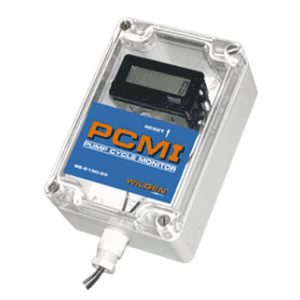
Wilden (PCMI and pump-integrated sensing) Wilden’s contribution to smart fluid management starts inside the pump. The Wilden Pump Cycle Monitor (PCMI) is a simple but powerful sensor that tracks actual AODD pump cycles by monitoring the air valve spool movement on Pro-Flo and Pro-Flo SHIFT systems. Cycle counts provide direct insight into pump workload, diaphragm life, and maintenance intervals, especially in applications where flowmeters are impractical. Because PCMI data can be tied into PLCs or monitoring systems, operators gain a clearer picture of real operating conditions rather than relying on assumptions. In automated environments, this kind of pump-level sensing supports smarter maintenance planning and helps prevent unexpected diaphragm failures.
Cornell Pump Company (IIoT ecosystem) Cornell extends smart sensing beyond individual instruments with a full IIoT ecosystem built around connected pumping assets. The Cornell Co-Pilot device monitors pump health by collecting vibration, temperature, run status, and location data, transmitting it through cellular connectivity for remote visibility. When paired with Cornell’s RPM² platform, this data becomes actionable, enabling asset tracking, performance comparisons, alerts for abnormal conditions, and predictive maintenance insights across entire fleets of pumps. This approach aligns directly with the article’s focus on moving from reactive maintenance to proactive system management, using real-time data to reduce downtime, protect equipment, and improve long-term reliability.