In industrial environments, hose failures can lead to serious safety risks, unexpected downtime, and costly repairs. To help your team stay ahead of potential issues, we’ve compiled five essential hose safety tips that every engineer and maintenance manager should know. These insights are designed to support safer, more efficient operations across your facility.
If you’re looking to strengthen your hose safety program, learn how Anderson Process can help identify risks, ensure compliance, and extend hose life with our hose programs and services.
Hose Safety Tip #1: Pressure Testing Matters
Pressure testing is a critical part of hose safety. It verifies that a hose assembly can safely handle its designated PSI under real-world conditions. Periodic testing helps identify degradation, fatigue, or damage that may not be visible during routine inspections.
Shown here: Our pressure testing setup to ensure reliability before deployment.

Best Practice: Always test hoses after installation and at regular intervals based on usage and application severity.
Hose Safety Tip #2: Watch for Abrasion
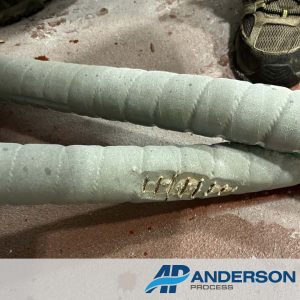
Abrasion is one of the most common causes of hose failure. When a hose rubs against surfaces or is exposed to harsh environments, its outer cover can wear down creating weak spots that compromise integrity.
This photo shows a severely abraded hose, which could rupture under pressure.
Best Practice: Use hose guards or sleeves in high-friction areas and inspect regularly for signs of wear.
Hose Safety Tip #3: Clamp Wisely
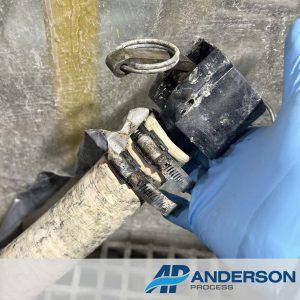
Worm gear clamps are easy to apply but difficult to standardize. Tightness varies by installer, leading to inconsistent sealing and potential leaks or blow-offs.
This photo shows worm gear clamps in use, highlighting the risk of subjective torque application.
Best Practice: Use mechanically applied clamps torqued to manufacturer specifications for consistent and safe connections.
Hose Safety Tip #4: Inspect Before Use
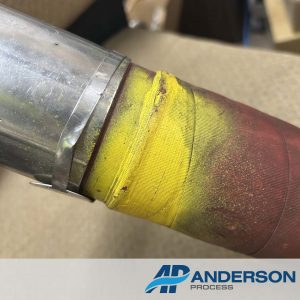
Fitting ejection is a serious hazard that can result from improper assembly, wear, or pressure spikes.
This image shows a fitting beginning to eject, which is an early warning sign of failure.
Best Practice: Include visual inspections in your SOPs to verify hose integrity before each use, especially in high-pressure or critical applications.
Hose Safety Tip #5: Respect PSI Limit
Operating a hose beyond its rated pressure can cause twisting, squirming, and structural damage.
This photo shows reinforcement popping through and corrugations separating. These are clear signs of over-pressurization.
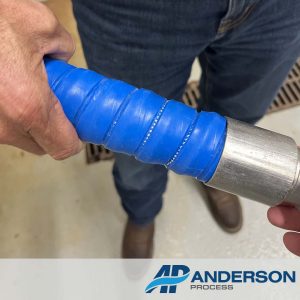
Best Practice: Always verify the hose’s pressure rating and ensure system PSI stays within safe limits. Use pressure relief valves where applicable.